1. Natural Stone & Quartz: Timeless Luxury That Ages Well
What It Is:
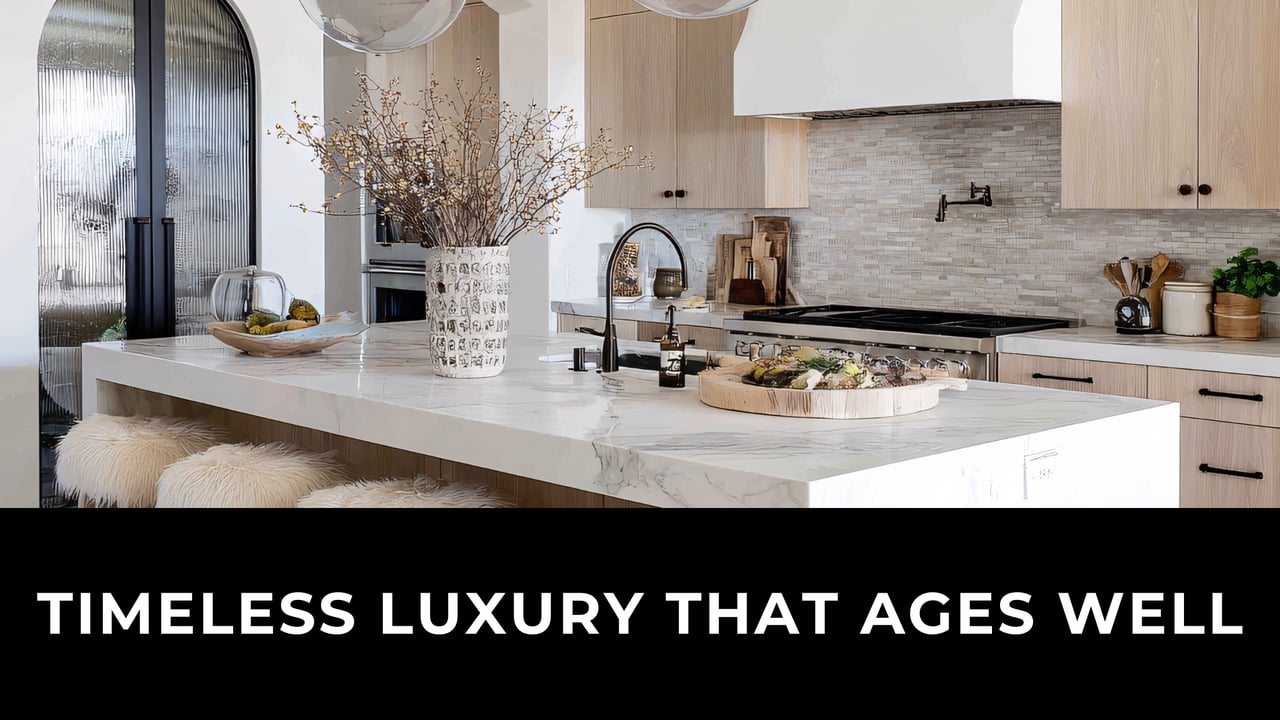
From Carrara marble countertops and floors to Patagonia pink quartzite accent walls, natural stone remains a cornerstone of high‑end coastal estates. Daily Telegraph
Why It’s Trending:
-
Luxury signal: Natural stone communicates wealth and permanence.
-
Durability: Resistant to coastal humidity and sun exposure when properly sealed.
-
Visual harmony: Light stones echo waves, sand, and sky.
Where It’s From:
Premium materials like Carrara marble originate in Italy’s famed Carrara quarries, while quartzite — a metamorphic stone — is quarried in locales like Brazil and Patagonia. These stone sources are globally prized for clarity, veining, and scale.
Search engines like “granitestone, quartzite countertops coastal homes” year‑over‑year searches rising.
2. Weather‑Resistant Metals: Copper & Bronze
What It Is:
Metals such as patinated copper and bronze hardware are emerging as key luxury finishes. Real Simple
Why It’s Trending:
-
Quiet luxury appeal: Shifts from shiny brass to nuanced, warm metals that feel effortless and refined.
-
Salt‑air resilience: These metals develop a patina that protects the surface against corrosion.
-
Versatility: Used in roofing, cladding, railings, and bespoke hardware.
Where It’s From:
Copper’s use in architecture dates back centuries, favored for its corrosion resistance, beauty, and sustainability — with many copper products containing high recycled content. Wik
3. Engineered & High‑Performance Exteriors
Fiber Cement & Composite Decking
Modern coastal homes often employ materials like fiber cement cladding and composite decking engineered for harsh seaside environments. Hawk Building Design
Why It Matters:
-
Salt‑air durability: These materials withstand salt, moisture, and UV without fading or warping.
-
Low maintenance: Homeowners pay a premium for longevity and minimal upkeep — a big selling point in luxury markets.
Examples:
-
HardiePlank® siding & fiber cement cladding blend classic coastal aesthetics with durability.
-
Premium composite decking maintains wood‑like beauty without rot or staining.
4. Sustainable Luxury: Eco‑Conscious Materials
What’s Trending:
Green design isn’t just ethical — it’s market‑driven. Malibu and other high‑end coastal markets now prioritize sustainably sourced materials like reclaimed wood and FSC‑certified timber. malibumoss.com
Key Sustainable Materials:
-
Reclaimed wood beams/flooring — adds historic character while reducing new harvesting. breakerswestproperties.com
-
Tech‑enhanced concrete & AAC blocks — offers insulation with reduced environmental footprint. Wikipedia
-
Low‑VOC paints and finishes — support indoor air quality.
Why It’s Hot:
Luxury buyers increasingly view sustainability as sophistication — eco‑friendly without compromising design.
Search interest in “sustainable luxury coastal homes materials” has climbed as buyers look for eco credentials alongside esthetic quality.
5. Textures & Natural Details: Linen, Bamboo & Organic Materials
What It Is:
Interior surfaces and finishes that evoke nature — linen upholstery, bamboo accents, recycled glass tiles — are trending as part of the quiet luxury ethos. karakay.com
Why It Works in Coastal Homes:
-
Sensory depth: These materials add warmth and tactility to minimalist spaces.
-
Visual connection to nature: They mirror sand, driftwood, and sea grass.
Special Mention — Bamboo:
Once seen as utilitarian, bamboo is now embraced for its sustainable profile and elegant grain — especially in furniture and millwork. H
6. Architectural Concrete (Soft Brutalism Meets Luxury)
What It Is:
Coastal ultra‑luxury homes are integrating architectural concrete in expressive, warmer ways — pairing it with teak, distress plaster, and natural stone. Architectural Digest
Why It’s Trending:
-
Modern materiality: Concrete expresses monolithic strength against coastal elements.
-
Softened by craft: When paired with natural textures, it feels intentional, not industrial.
7. Salt‑Air Rated Structural Components
What It Is:
In high‑risk coastal zones, technical materials like storm‑rated windows, corrosion‑resistant fasteners, and specialized HVAC units become essential. Draper DNA
Why It’s Important:
-
Insurance & resilience: These materials protect expensive homes from hurricanes, salt spray, and sea‑driven corrosion.
-
Buyer demand: High‑net‑worth buyers insist on performance alongside beauty.
Why These Materials Matter in 2026 Coastal Luxury
Market Drivers:
-
Resilience to climate stress: Rising sea levels and storms mean material longevity isn’t optional. Draper DNA
-
Quiet luxury & restraint: Wealthy buyers increasingly shun flashiness for curated, layered materiality. S T U D I O H E N R E E
-
Sustainability equals value: Eco‑credentials now influence resale and lifestyle appeal. breakerswestproperties.com
Search trends reflect increased queries for “high‑performance coastal materials”, “eco‑luxury stone and metal finishes,” and “durable coastal siding alternatives.” These aren’t transient buzzwords — they shape what $10M+ coastal residences are built with.
Final Thought
In the world of coastal luxury, materials are more than aesthetics — they are strategy. Whether it’s the patina of bronze, the quiet strength of engineered exteriors, or the mindful warmth of organic fibers, tomorrow’s coastal estates strike a balance between beauty, performance, and lifestyle.
Want a material sourcing guide or supplier list tailored to your next project?